Interview
A juror on the difference between finished and resolved
Most entries are finished. Fewer are resolved, and the criteria can tell.
2 min read
Interview · July 23, 2026
Watch the interview
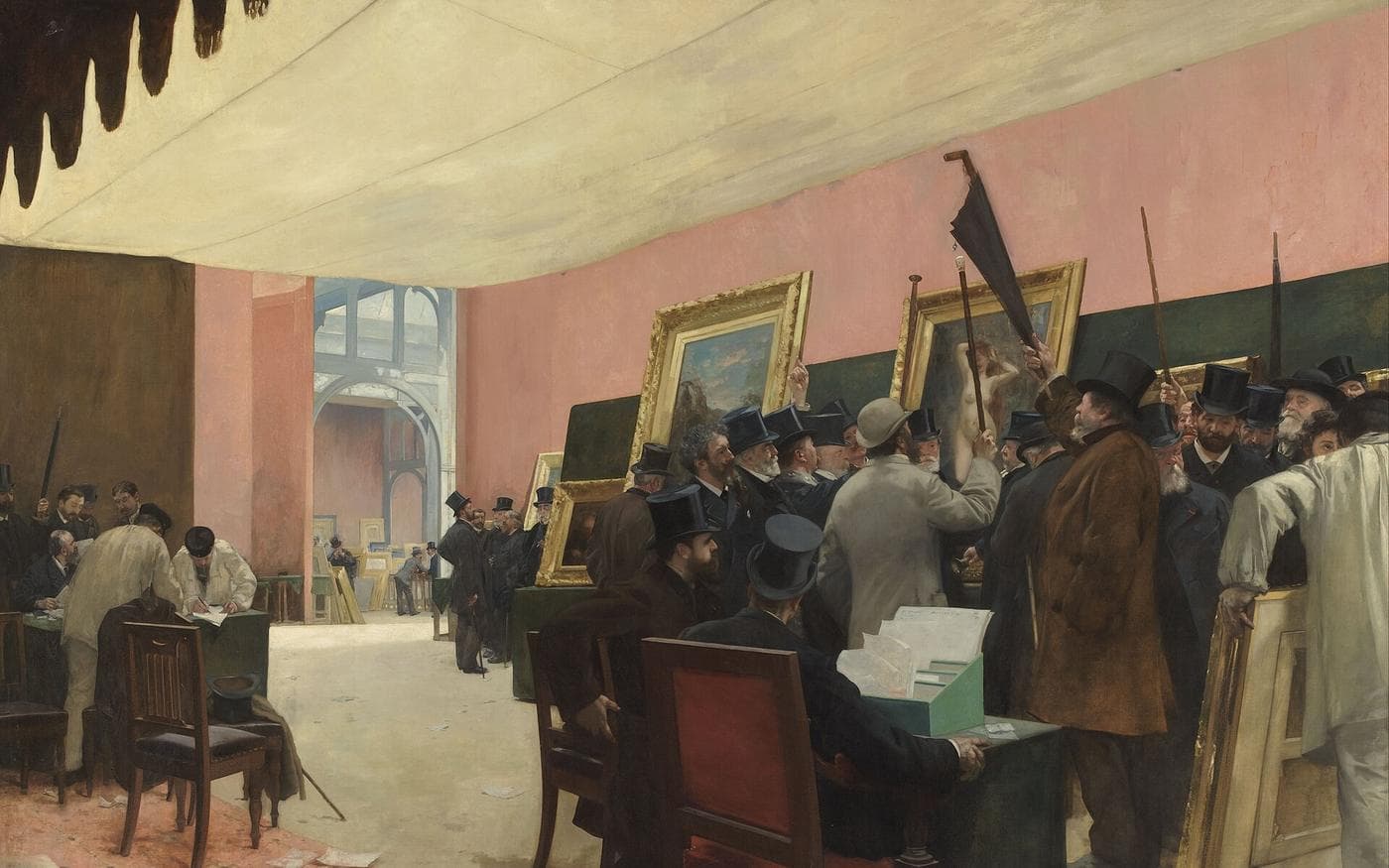
A juror across three cycles describes what separates the entries that place from the ones that merely look complete.
What the criteria actually measure
Every group is scored against the same four criteria: the problem the work was given, the idea it answered with, how well that idea was made, and what happened once it left the studio. A juror cannot substitute a fifth criterion of their own, and cannot score a piece on a criterion its category does not carry.
The scores are recorded per criterion rather than as a single impression, which is what makes a result explainable afterwards. When two entries finish level, the tiebreak reads the criteria in a fixed order before it reads anything else.
Why the tier is settled first
A student ranked against an agency is not a competition, so the tier a piece competes in is verified before any juror sees it. Verification looks at the entrant, not the work: enrolment, trade licence, the size of the studio that made it.
It happens before scoring for a plain reason: moving an entry after a jury has read it would either discard their work or carry a score across a boundary it was never given for.
About this conversation
The conversation was recorded for the programme and edited for length. The full transcript is above the related posts, so nothing said here depends on being able to play the film.
Transcript
The film is edited for length. This is what was said.
On what the brief actually asked
A juror across three cycles describes what separates the entries that place from the ones that merely look complete.
The constraint was the useful part. Once it was written down properly, most of the options disappeared on their own and what was left was arguable rather than arbitrary.
On entering
Read the sub-category before the deadline, not after. The group decides which of the four criteria carry weight, and strong work loses every year for being entered where its strengths are not counted.