Article
Type that survives production
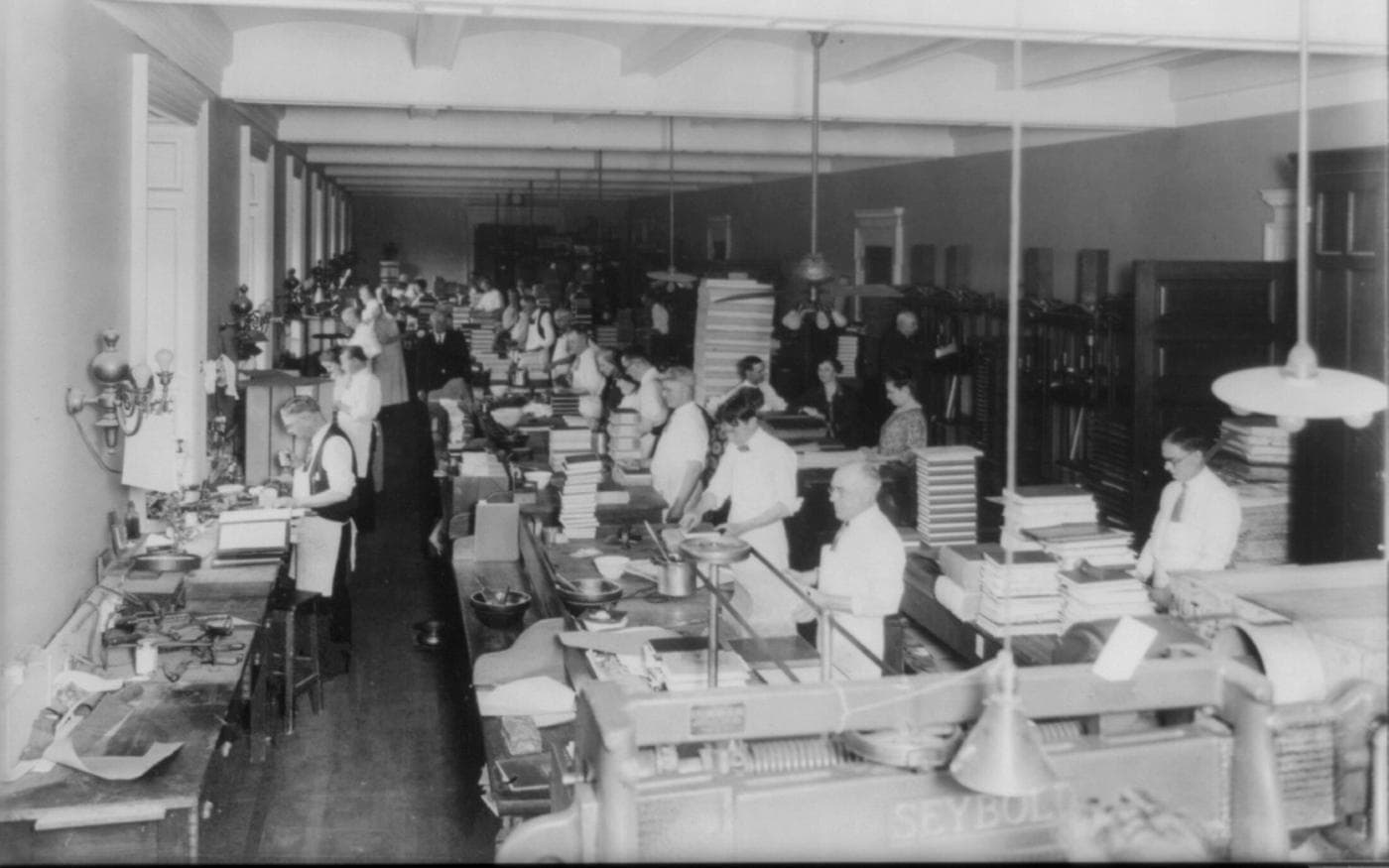
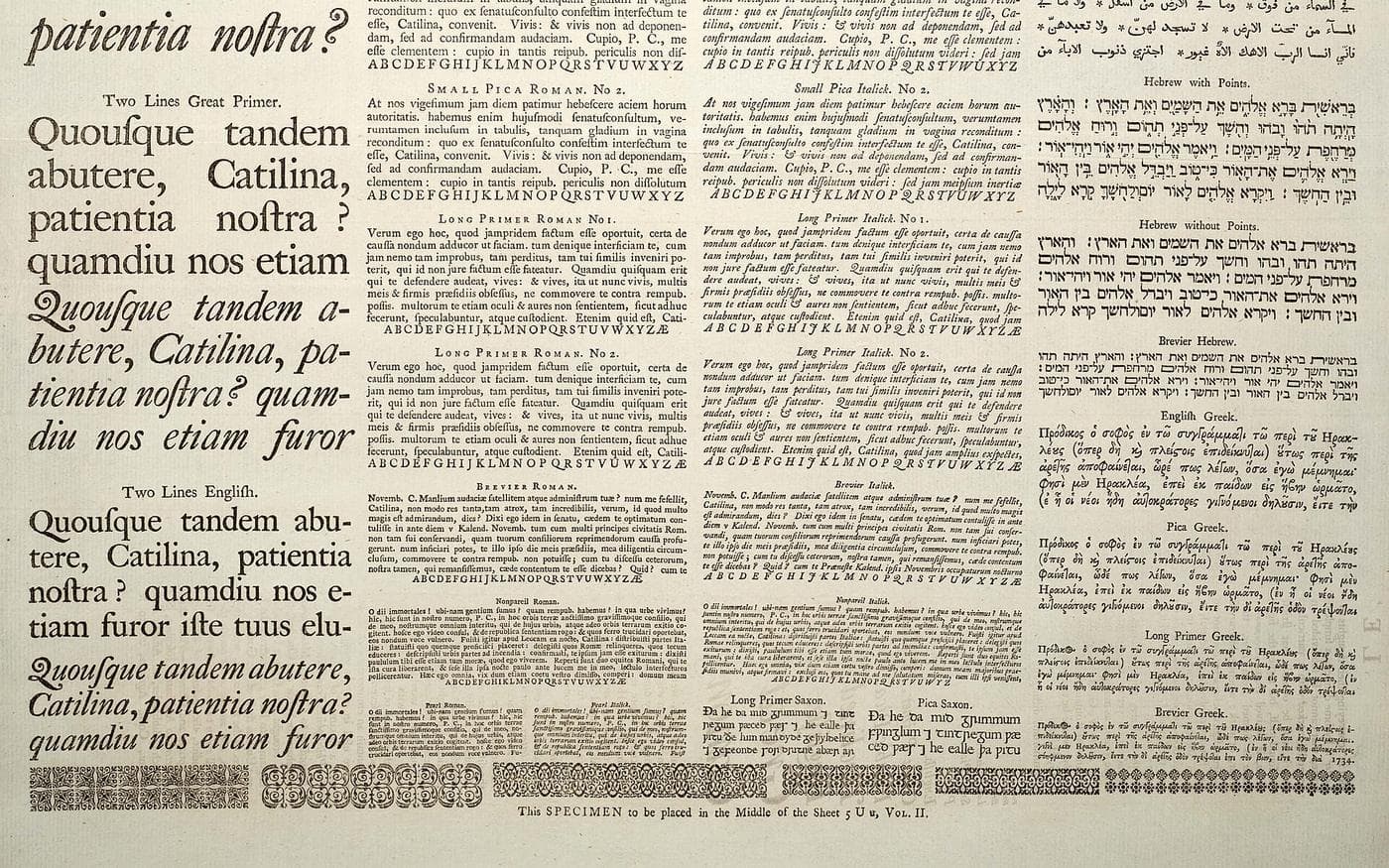
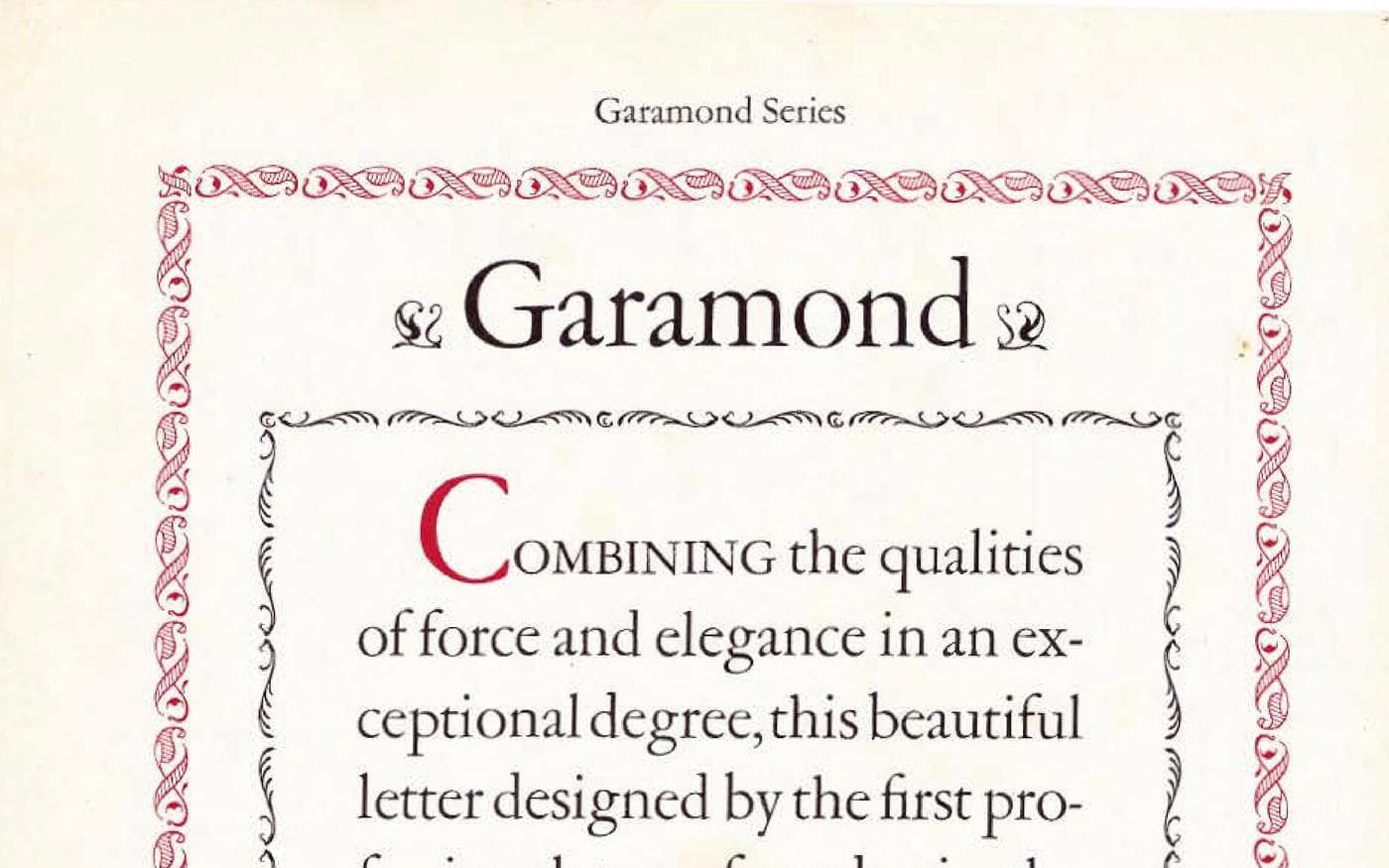
A specimen proves an intention. A print sheet proves a decision.
2 min read
Article · May 14, 2026
Jurors are asked to look at the join, and the join is where type usually fails: at the size it will actually be set, on the substrate it will actually be printed on.
Execution is a criterion, not a courtesy
A good idea badly made loses to a modest idea made well, and the criteria say so out loud. Jurors are asked to look at the join: the kerning on the sign that will be read at forty metres, the fold that has to survive a courier, the fallback when the typeface is not installed.
The entry form asks for the working files and the specimens for the same reason. A flat render proves an intention; a print sheet, a screen recording or a spec proves a decision was carried through.
Arabic is not a second pass
Work that carries both scripts is judged on both. A layout that mirrors cleanly, a type pairing that holds its colour across two writing systems, and numerals that behave in a table are all execution, and all of them are visible to a jury that reads Arabic.
The commonest deduction is not an ugly Arabic setting. It is an Arabic setting that was clearly done last, at a smaller size, in a weight that does not exist in the family.
Read this next
The criteria, the tiers and the six phases are set out in full under Awards. If a point here matters to an entry you are preparing, that is the page that governs it - this one only explains it.